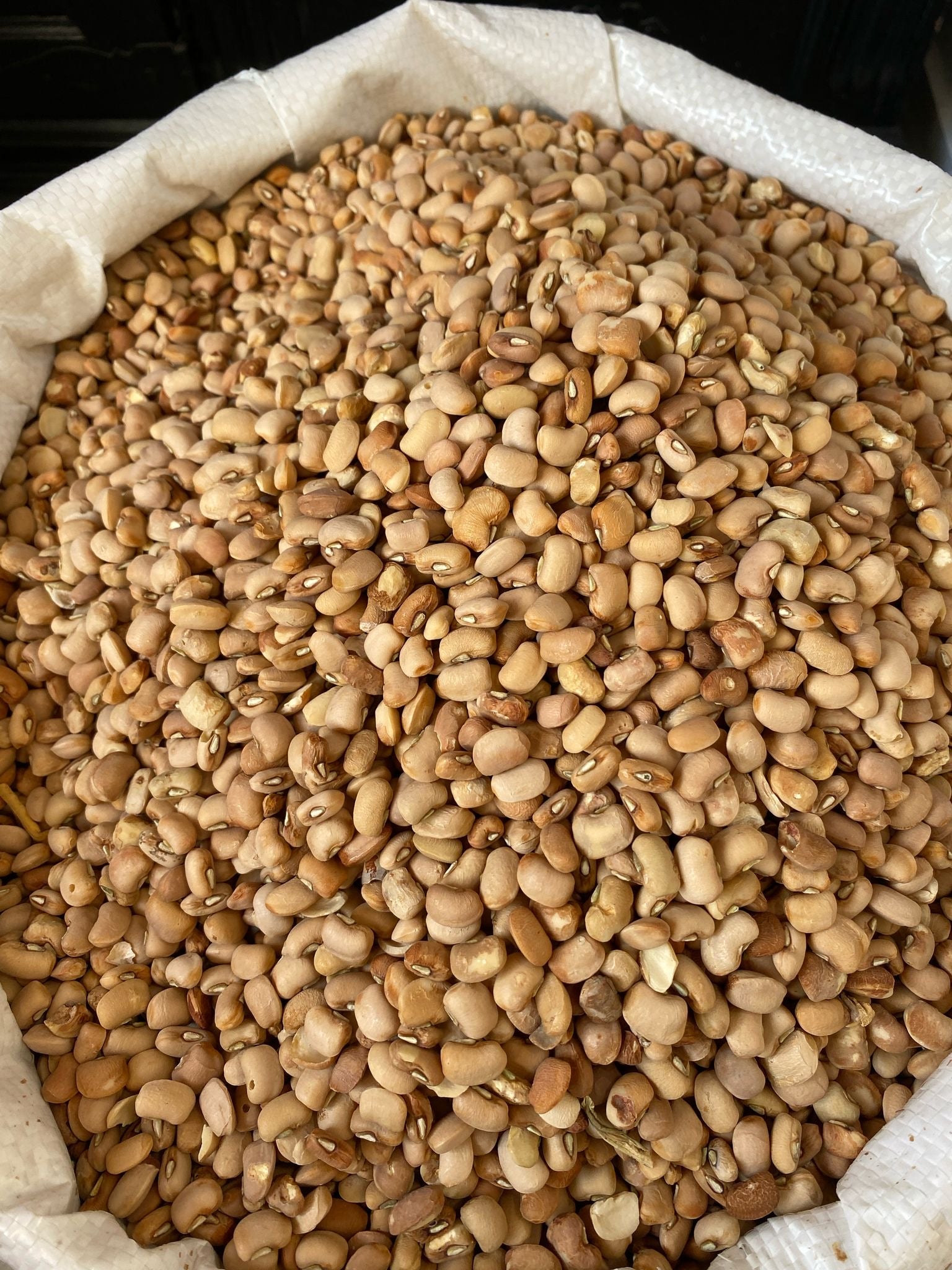
Honey beans are a variety of brown beans grown in Nigeria, notable for a naturally sweeter taste and softer texture compared with regular brown or white beans. In Yoruba, they're often called "oloyin" — meaning "has honey."
Origin & History
Honey beans are grown across parts of Nigeria and wider West Africa, as one of several local bean varieties eaten as a daily staple.
The "oloyin" name reflects the bean's natural sweetness relative to other local varieties, not any added sugar or honey. Because they cook down softer than some other beans, they've become a popular choice for beans porridge and other slow-cooked bean dishes.
Nutritional Information
Like other beans, honey beans are a good source of plant protein and dietary fibre, along with complex carbohydrates, iron and folate.
Health Benefits
How It's Used
- Beans porridge (ewa aganyin style, with a spicy pepper sauce)
- Moin moin (steamed bean pudding)
- Akara (bean fritters)
- Simply boiled and served with plantain, rice or stew
Storage
Store dried beans in an airtight container in a cool, dry place. Soaking before cooking helps reduce cooking time. Cooked beans can be refrigerated for up to four days or frozen for longer storage.
Did you know?
Honey beans' sweetness comes purely from the variety itself — the name is descriptive, not a sign of any added sweetener.
This article is for general food knowledge and isn't medical advice. Nutrition and health information here is general in nature — for individual dietary guidance, speak with a qualified healthcare professional.
← Back to Blog